Find a spot
Kite Fitness

Train for the wind.
Ride longer. Recover faster.

Strength, balance and mobility programs built specifically for kitesurfers from first-timers to riders chasing their next big trick.

Why train off the water

The Four Pillars of Kite Fitness

Stronger Balance

Train the small stabilisers that keep you on edge through chop, gusts, and landings.

Core Strength

A bulletproof midsection transfers power from kite to board and protects your lower back.

Endurance

Build the aerobic base to ride session after session without burning out by lunchtime.

Grip & Pull

Forearms, lats and shoulders so you can hold the bar through long downwinders and big sessions.

Exercise library

Workouts built for the wind.

Every exercise tagged by focus and skill level. Train at home, in the gym, or on the beach before your session.
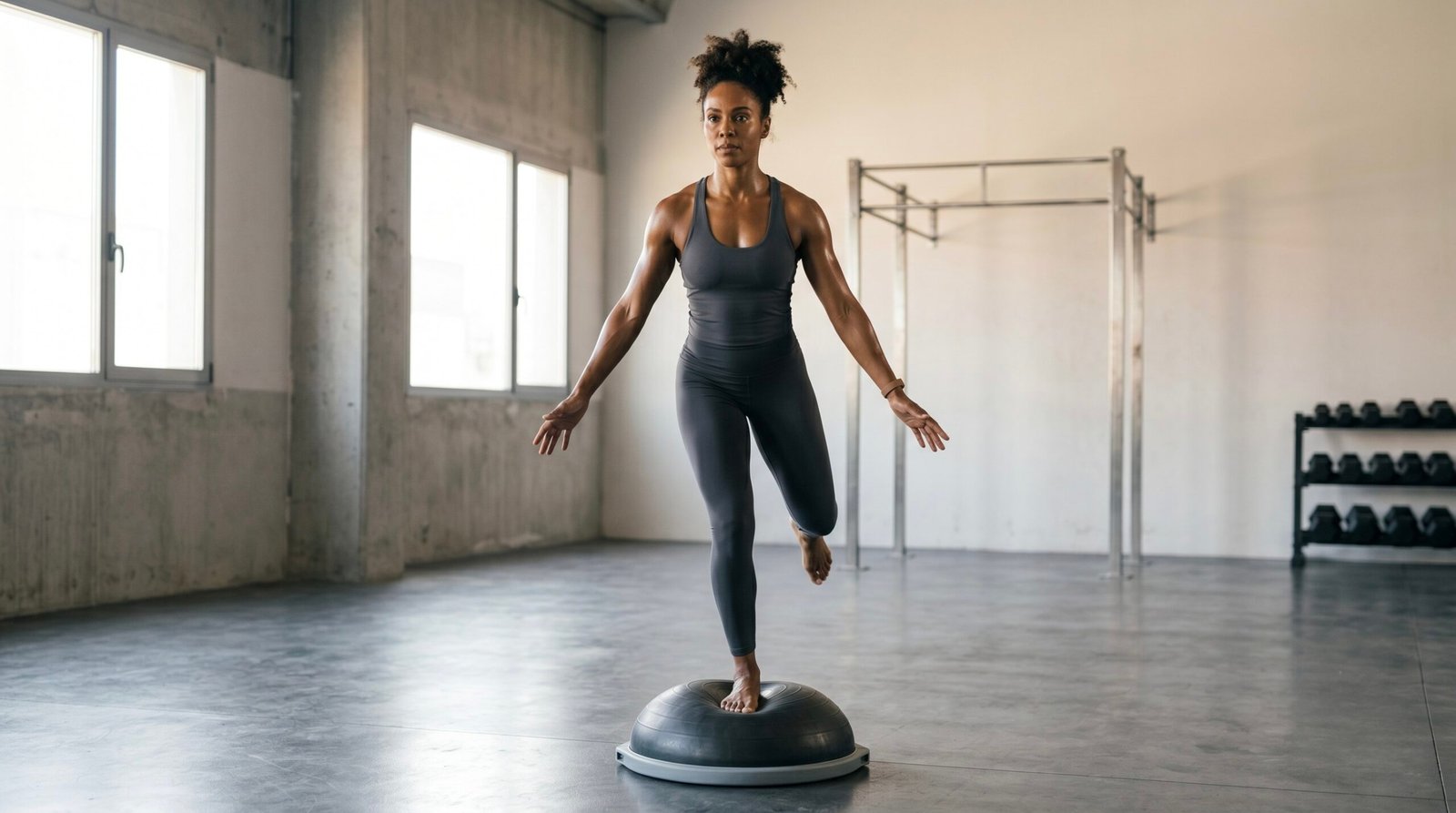
Single-Leg Bosu Balance
Easy Balance

Single-Leg Bosu Balance

Stand on a bosu ball on one leg, holding for 45 seconds. Trains ankle stabilisers and proprioception that translate directly to board control.

Duration45 sec / side
EquipmentBosu ball
Shop Bosu Ball →
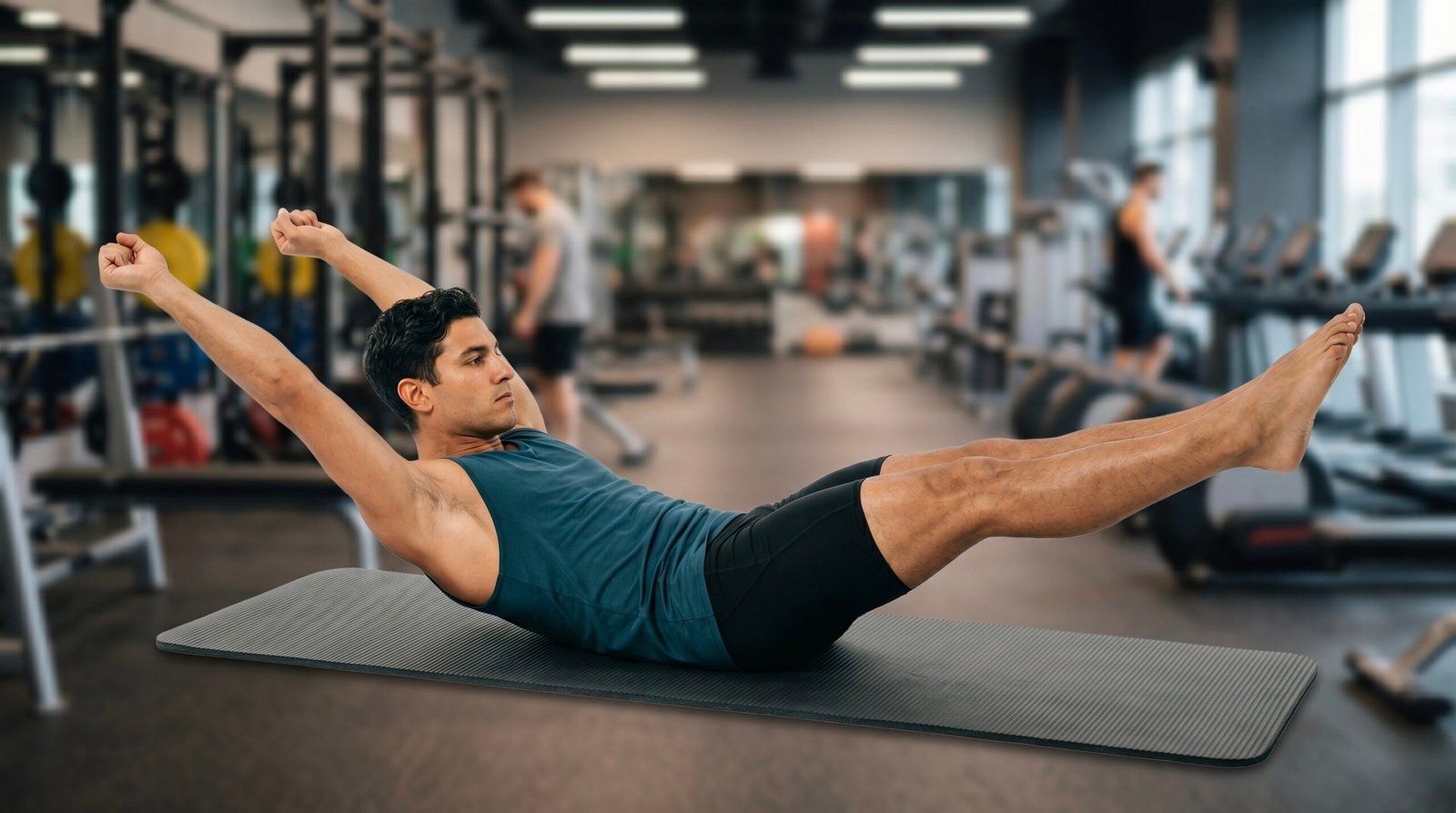
Hollow Body Hold
Medium Core

Hollow Body Hold

Lie on your back, lift legs and shoulders off the floor, lower back pressed down. Builds the bracing strength you need to absorb kite pull.

Duration30–45 sec
EquipmentNone
Shop Exercise Mat →
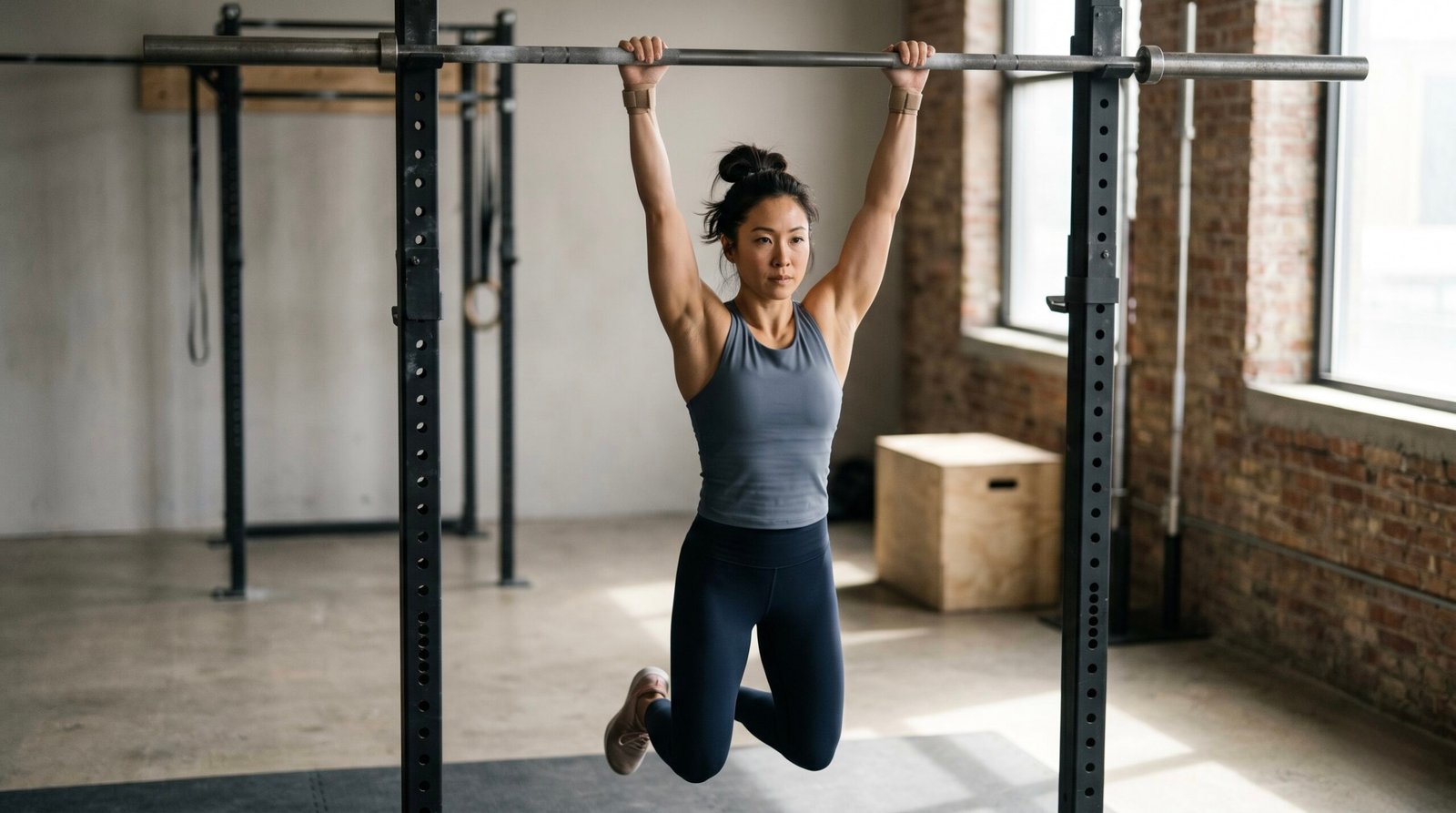
Dead Hang to Pull-Up
Hard Grip & Pull

Dead Hang to Pull-Up

Start with 30-second dead hangs, progress to strict pull-ups. Bulletproofs the shoulders and forearms for long sessions on the bar.

Reps3 × 5–8
EquipmentPull-up bar
Shop Pull-Up Bar →
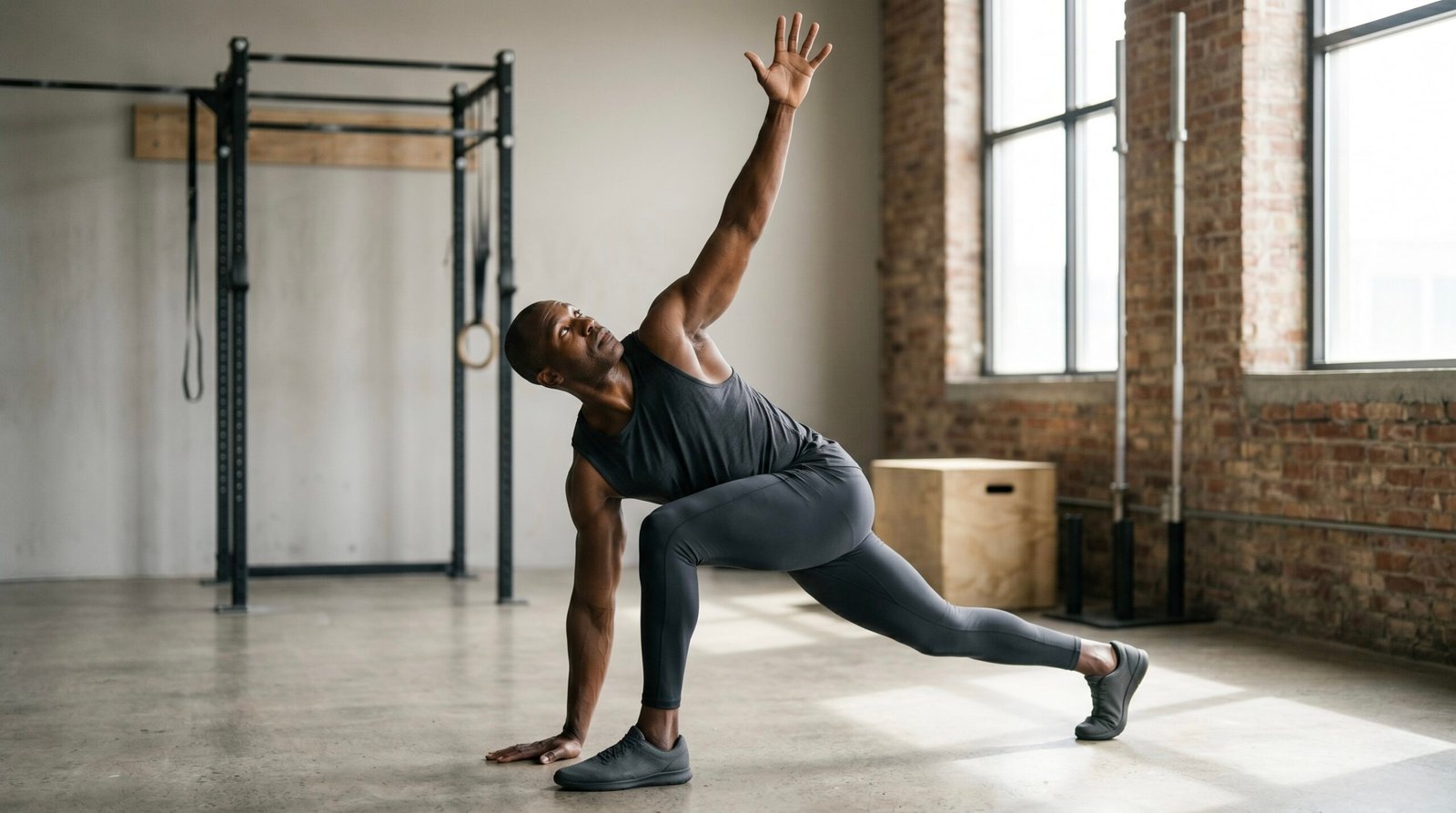
World's Greatest Stretch
Easy Mobility

World's Greatest Stretch

A flowing lunge with rotation that opens hips, T-spine and hamstrings. The perfect five-minute warm-up before any session.

Reps5 / side
EquipmentNone
Shop Exercise Mat →
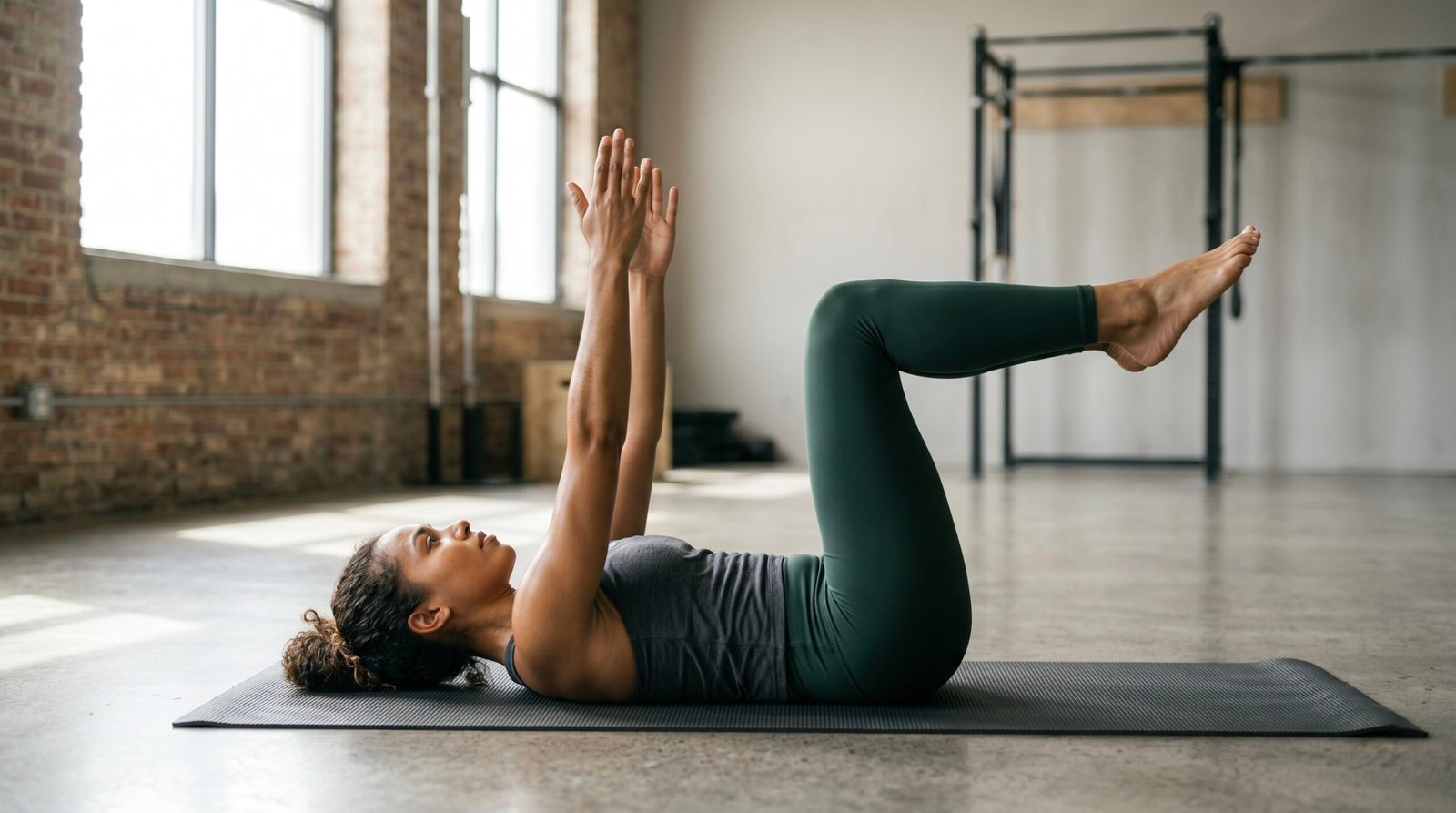
Dead Bug
Medium Core

Dead Bug

Lie on your back, arms up, knees at 90°. Slowly lower opposite arm and leg without letting your back arch. Trains deep core stability under movement.

Reps3 × 10 / side
EquipmentNone
Shop Exercise Mat →
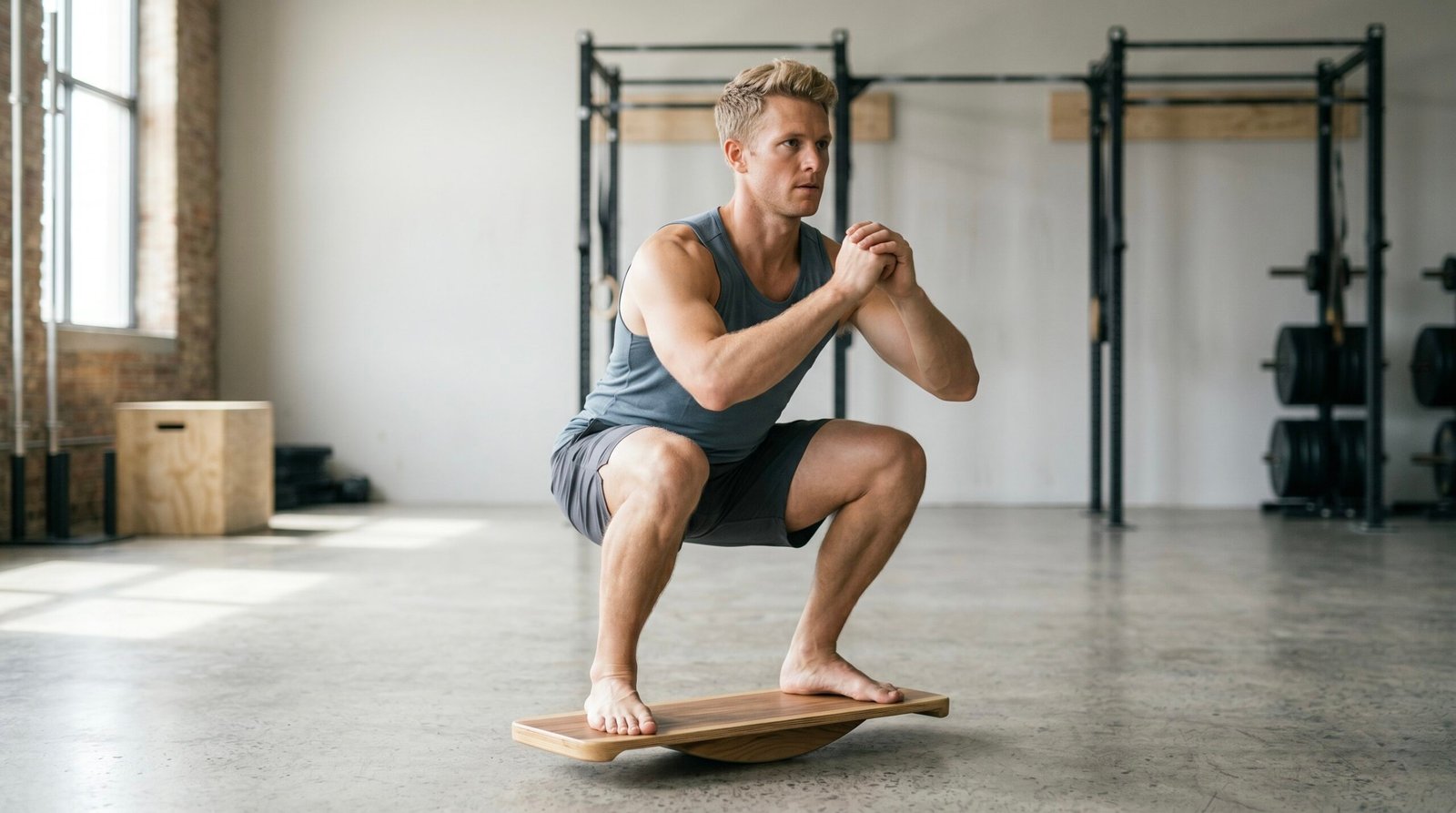
Balance Board Squats
Medium Balance

Balance Board Squats

Perform slow squats on a balance board or cushion. Mimics the constant micro-adjustments your legs make when riding chop. Addictive and effective.

Reps3 × 12
EquipmentBalance board
Shop Balance Board →
Zone 2 Run
Medium Endurance

Zone 2 Swim or Run

30–45 minutes at a comfortable, conversational pace. Builds the aerobic base you need to ride all day without gassing out. Do it 2–3x per week.

Duration30–45 min
EquipmentNone
Shop Running Shoes →
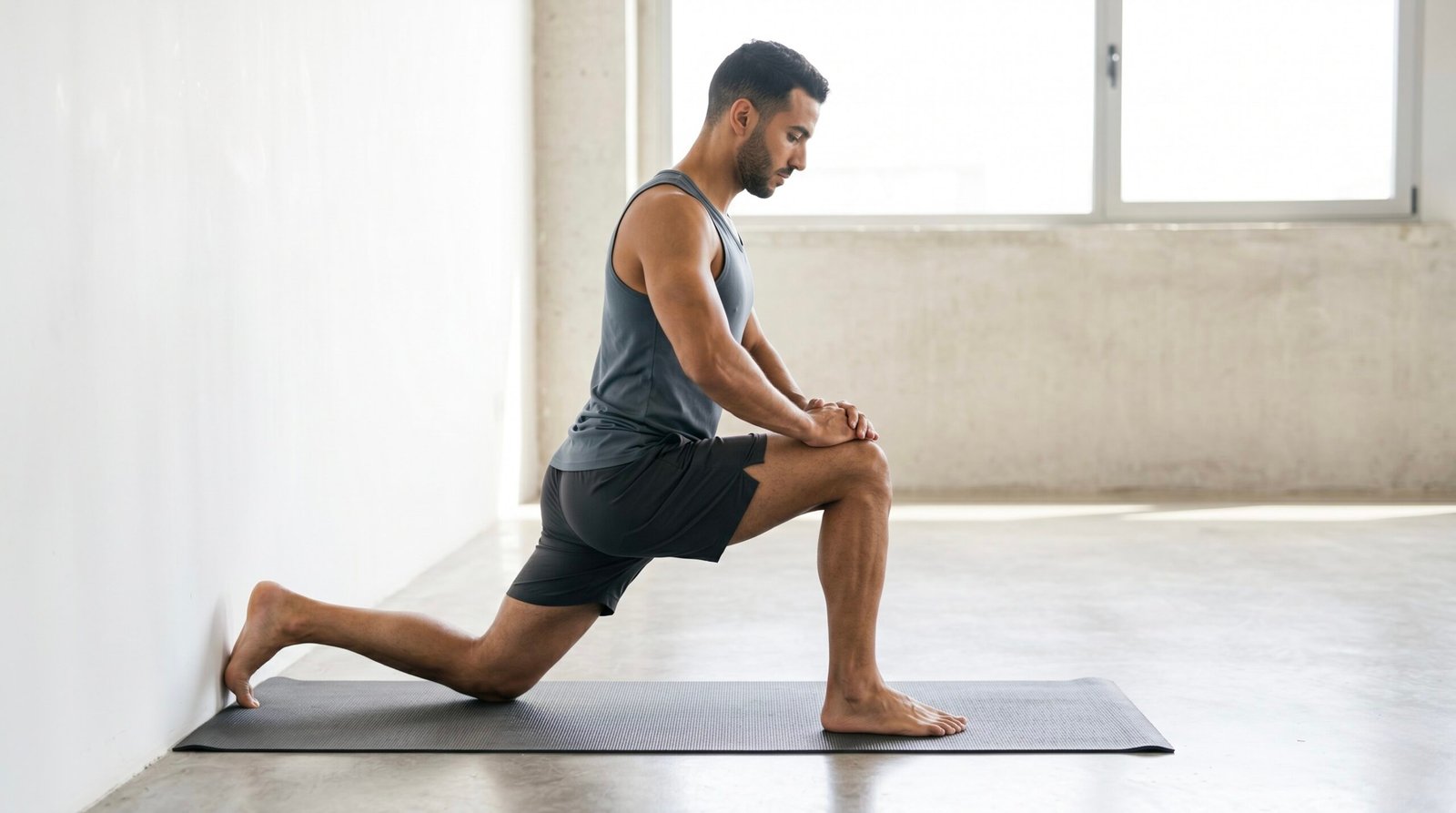
Hip Flexor Couch Stretch
Easy Mobility

Hip Flexor Couch Stretch

Kneel with one shin against a wall, front foot flat on the floor. Hold 60–90 seconds per side. Undoes the damage of sitting and opens the hip angle you need for kitesurfing stance.

Duration60–90 sec / side
EquipmentWall
Shop Foam Roller →
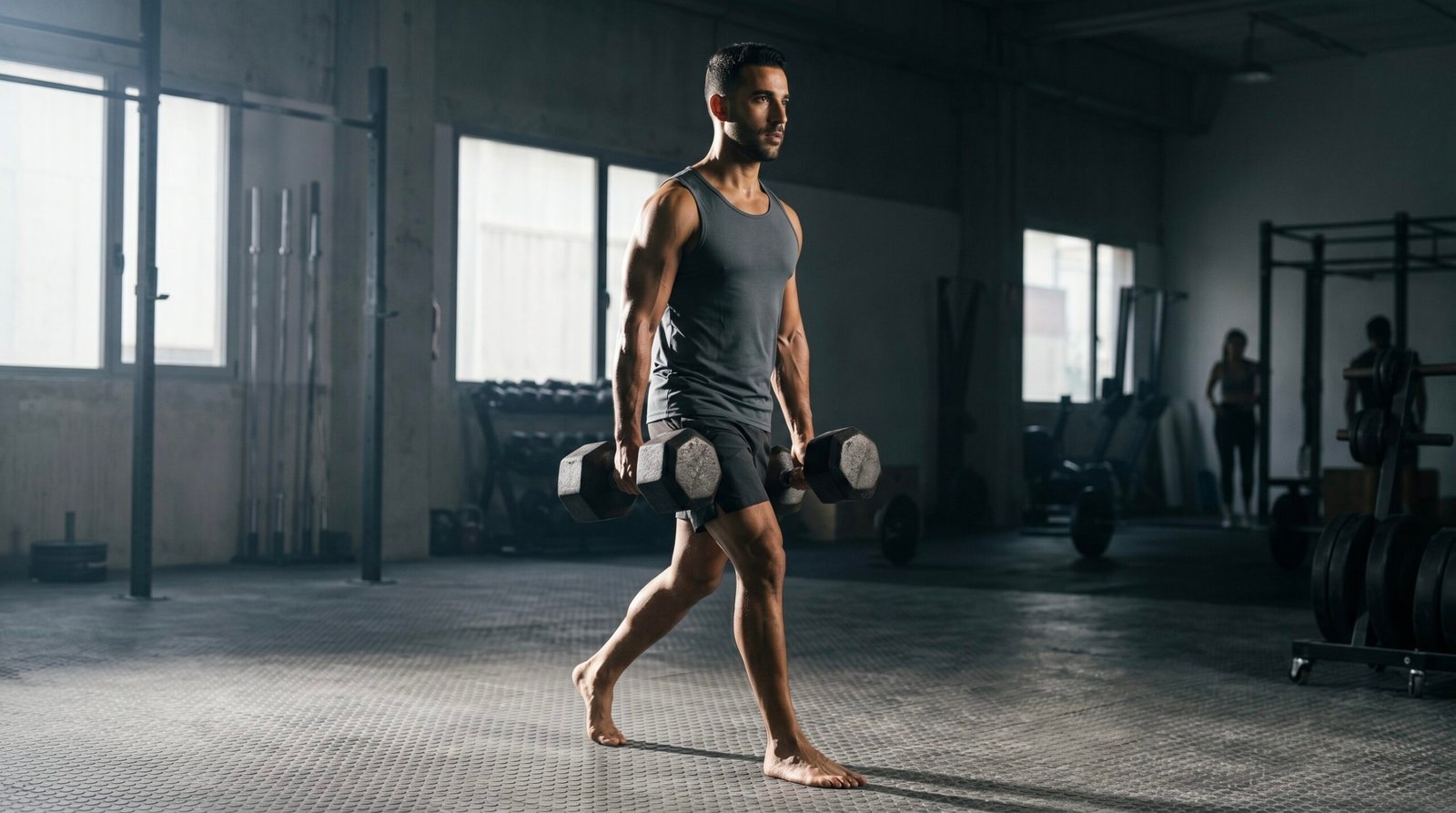
Farmer's Carry
Medium Grip & Pull

Farmer's Carry

Walk 20–30 metres holding heavy dumbbells at your sides. Builds grip endurance, shoulder stability, and the functional strength to haul gear across the beach.

Sets3 × 25m
EquipmentDumbbells
Shop Dumbbells →
FAQ

Got questions? We have answers.

No. Most routines use bodyweight, a resistance band, and a single dumbbell. Anything heavier is a bonus, not a requirement. You can do the core and mobility programs entirely at home with zero equipment.

For most riders, 3–4 sessions per week is the sweet spot. A simple split that works well:

  • 2× strength sessions (core + legs)
  • 1× mobility session (30 min, any day)
  • 1× endurance session (swim, run, or bike)

On days you kite, skip the strength session — riding is already your workout.

Absolutely. Every exercise in the library is tagged Easy, Medium, or Hard. Start with the Easy exercises and the mobility routine — those two alone will noticeably improve your board control and reduce fatigue during lessons. Progress at your own pace.

Yes — but keep it light. Mobility and warm-up exercises before a session are great. Avoid heavy strength work on the same day as a kite session, as fatigued muscles increase injury risk on the water. Save those for rest days.

The most common kitesurf injuries hit the knees, shoulders, and lower back. The good news: most are preventable with consistent training. Focus on:

  • Rotator cuff work (band pull-aparts, external rotations) for shoulder health
  • Core stability (hollow body, dead bug) for lower back protection
  • Hip flexibility (couch stretch, pigeon pose) for knee health

If you have an existing injury, consult a physio before starting any new training program.

Most riders notice a difference within 3–4 weeks — longer sessions, less fatigue, and better balance in choppy water. Mobility improvements often come even faster. Stick with it for 8 weeks and the difference will be significant.

Want a complete personalized training plan?

Get on our weekly checklist and access custom progressive routine schedules layout setups.

Back To Exercise Library ↑