Kitesurfing in Mui Ne: The Ultimate Beginner’s Guide to Vietnam’s Wind Capital
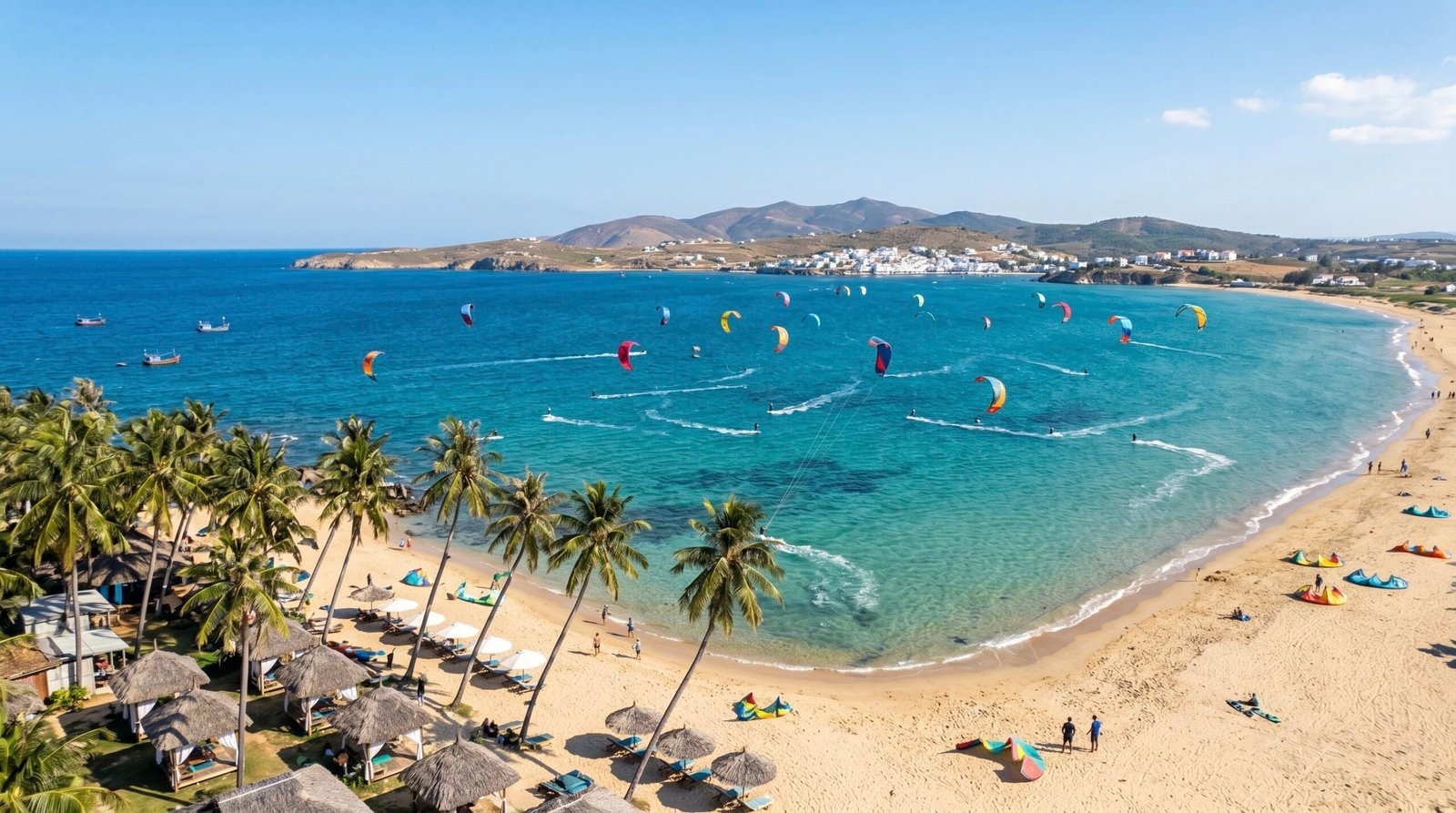
Have you ever dreamed of riding warm tropical waters beneath towering red sand dunes? Welcome to Mui Ne, a vibrant fishing-village-turned-kite-haven on Vietnam's south coast that is widely considered the wind capital of Southeast Asia.
Quick facts
For a passionate beginner, kitesurfing in Mui Ne is an incredible adventure. While the deep water and waves here are a bit more challenging than a shallow lagoon, knowing the local secrets will ensure you safely fast-track your skills.
The Dune-Powered Wind Machine: Why Mui Ne Delivers
The secret behind Mui Ne's legendary wind is the Northeast monsoon, which blows consistently from November to March. This baseline breeze is supercharged by a local thermal engine. The massive red and golden sand dunes behind the town bake under the tropical sun, creating rising warm air that draws in the cooler ocean breeze.
This creates a highly predictable daily cycle. The wind starts gentle in the morning, which is perfect for lighter training, and ramps up to a steady 18 to 30 knots by early afternoon. Because the thermal effect is so strong, these winter months are easily the windiest months of the year.
Where to Launch: Best Spots for Kitesurfing in Mui Ne
Mui Ne's coastline features several distinct riding zones. Here are the key spots you need to know:
Main Kite Beach (Rang Beach)
This is the central 10-kilometer strip of golden sand where most of the action happens. The water here is deep and choppy, with no shallow zones. The wind blows cross-onshore from the right, making it incredibly safe because the breeze will naturally wash you back to the sandy beach if you lose your board.
Malibu Beach
Located 15 minutes north of the main strip, Malibu Beach is a dream for wave riders. The wind here is more onshore, and the ocean swell creates clean, well-spaced waves breaking over a sandy bottom. It is a fantastic playground for intermediates practicing their transitions, but keep an eye out for the rocky headland.
Conquer the Shorebreak: At high tide, the main beach develops a heavy shorebreak (or "shore dump") that can make launching tricky. If you are still working on your water starts, ask an instructor at one of the local Mui Ne kite schools to carry your kite out past the break and hand it to you in deeper water.
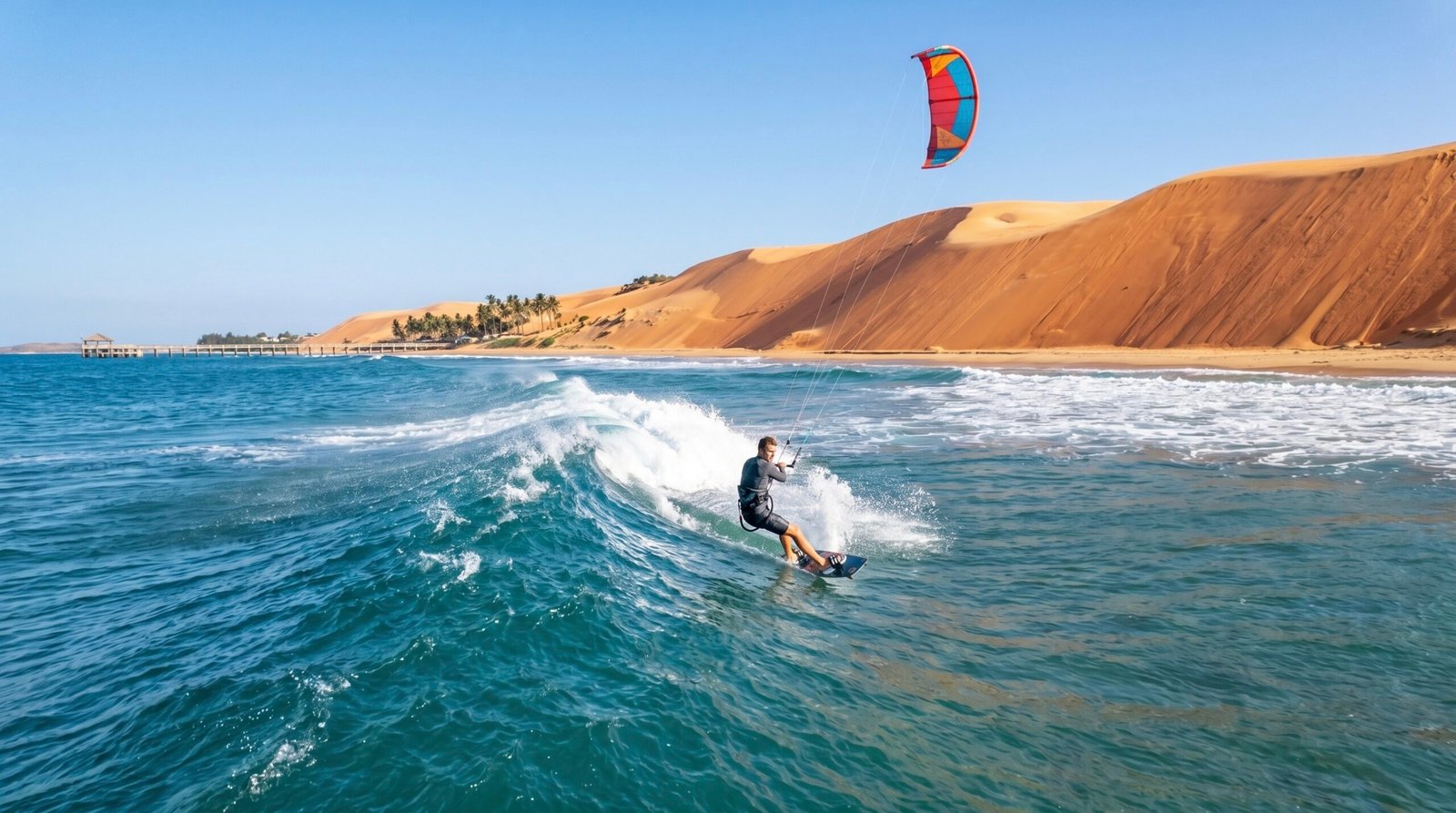
Monsoon wave riding — a kiter carving a smooth turn on a clean wave at Malibu Beach with the iconic red sand dunes towering in the background.
Harbour Wall
Situated 20 minutes south, this is the only true flat-water spot in the immediate area. It is a small beach where the water is perfectly flat, making it ideal for early morning freestyle sessions. Get here early, as the wind tends to shift and become very gusty after 1:00 PM.
Timing Your Trip: When to Chase the Monsoon
- The Summer Peak (June–August): The windiest window, with reliability hitting 90%+. Expect the Meltemi to blow consistently between 18 to 28 knots nearly every afternoon.
- The Golden Shoulders (May & September): Outstanding months for comfortable weather and lighter, more forgiving winds—perfect for early-stage beginners.
Choosing the Right Mui Ne Kite Schools
Mui Ne has a highly mature teaching ecosystem with schools lined up along the main beach. Highly reputable centers like C2Sky, Surfpoint, and Jibe's Beach Club offer professional lessons with certified instructors. Many stations now use helmet-mounted radio headsets, allowing your coach to give you instant feedback while you are riding in the chop, which dramatically speeds up your progression.
Your Concise Mui Ne Packing List
- Kites: A 7m and 9m quiver is the daily workhorse setup for the strong afternoon wind. Bring a 12m only for the lighter morning breeze or if visiting in the shoulder months.
- Board: A twin-tip with plenty of flex to absorb the ocean chop comfortably.
- Wetsuit: None needed! The water stays a warm 25 to 28 degrees Celsius year-round.
- Protection: High-SPF zinc sunscreen, a long-sleeved rashguard to protect against the sun and occasional harmless jellyfish, and polarized sunglasses with a secure head strap.
Skip the Motorbike Taxis: While local metered taxis are cheap and safe, the informal motorbike taxis on the street are notorious for overcharging tourists. Rent your own scooter for a few dollars a day to explore the coast, or stick to the green Mai Linh group taxis.
The New Expressway Miracle & Phan Rang Alternate
The Transit Update: It used to take an exhausting 5 to 6 hours to drive from Ho Chi Minh City (Saigon) to Mui Ne. Thanks to a recently completed highway, that transit time has been cut in half—you can now get from Tan Son Nhat International Airport (SGN) to the beach in just 2.5 to 3 hours by private car or luxury limousine bus.
The Shallow Water Alternative: If you find the deep water and waves of Mui Ne too intimidating, take a 3-hour trip north to Phan Rang. This hidden gem features the My Hoa lagoon, a massive, shallow, flat-water playground protected by a barrier reef that is perfect for beginners.
📦 Recommended gear for this trip
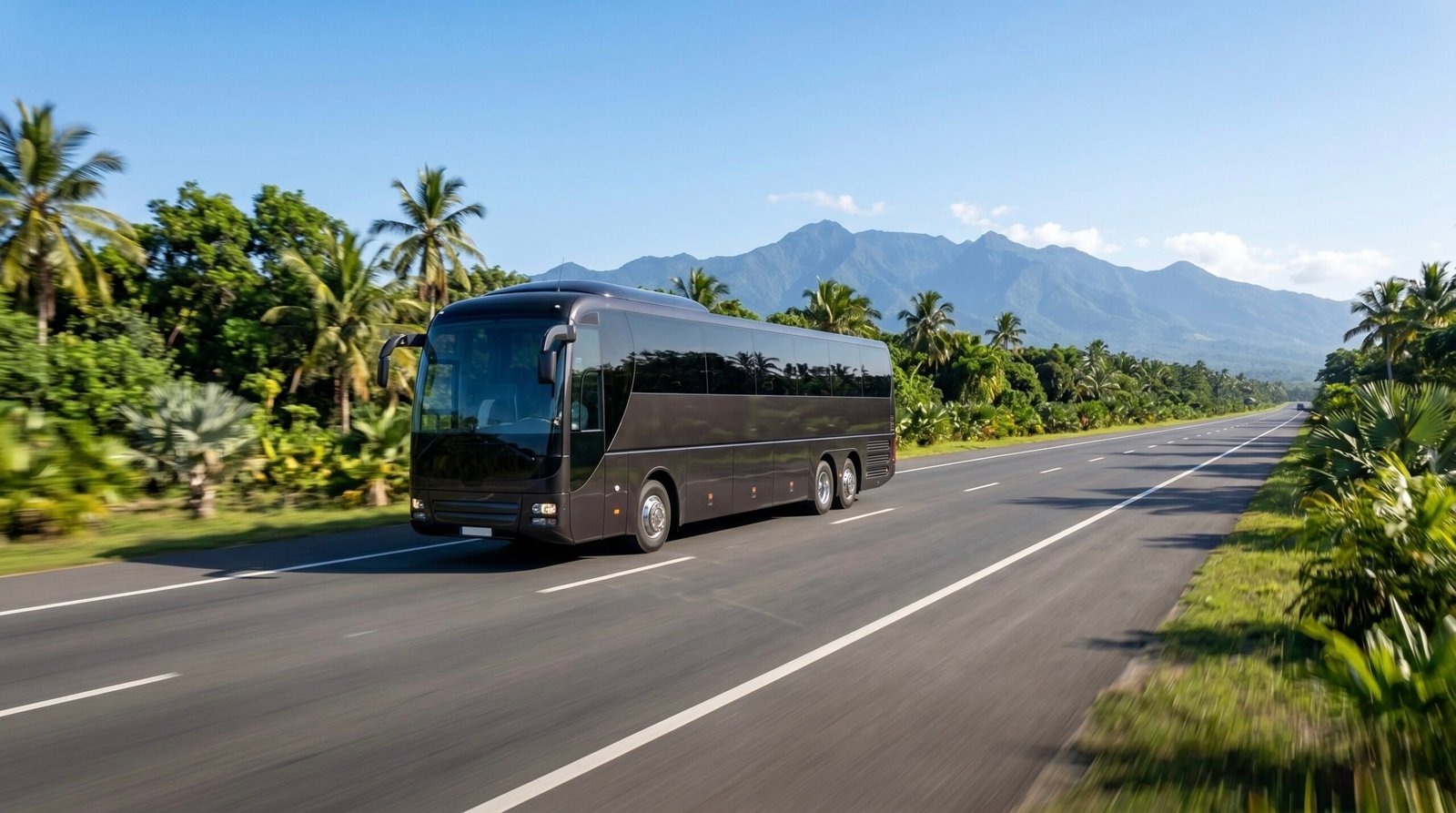
Fast-tracked travel — a modern, comfortable luxury limousine bus cruising along the new express highway from Ho Chi Minh City straight to the coast.
Mui Ne's reliable winter monsoon, warm tropical waters, and laid-back beach culture make it an unbeatable winter escape. Book your flights to Saigon, pack your shorty rashguards, and get ready to experience Europe's premier island wind paradise!
Ready to find your next spot? Explore all 15 destinations on Kitescanner — from flat-water lagoons in Morocco to the turquoise Caribbean.
Explore all spots →